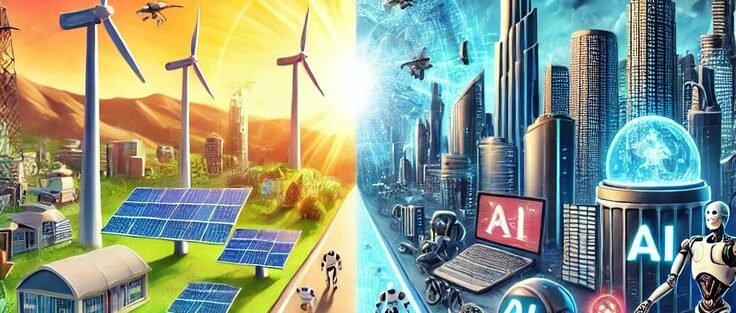
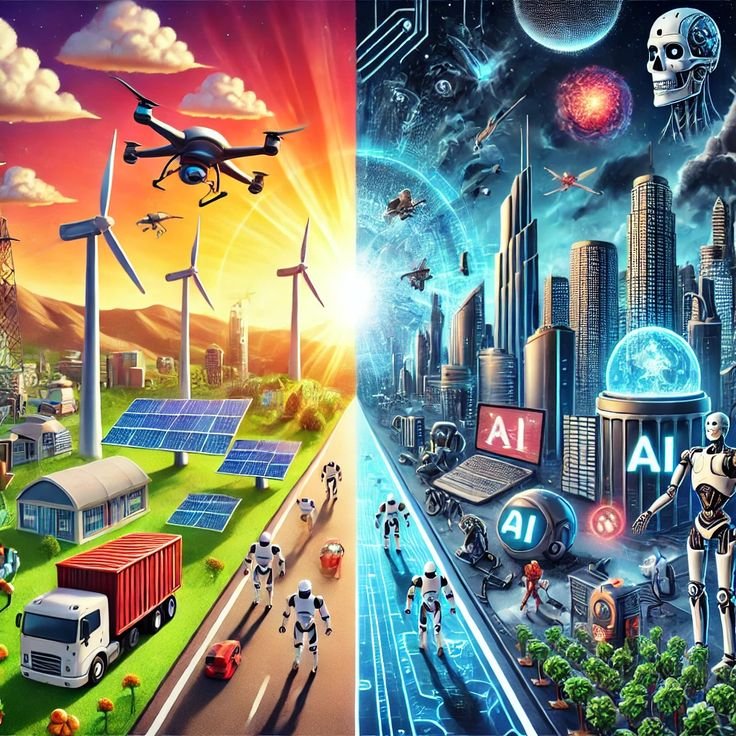
प्रस्तावना
विज्ञान — यह शब्द सुनते ही हमारे मन में प्रगति, सुविधा, युक्तियाँ और आविष्कारों की छवि उभर आती है। मानव ने सदियों से प्रकृति के रहस्यों की खोज की है, तर्क और अनुभवों से ज्ञान संचय किया है, और उन ज्ञानों को व्यवहार में उतारा है — यही विज्ञान है। लेकिन क्या विज्ञान केवल मानवता को लाभ देता है? या इसके दुष्परिणाम, अनपेक्षित परिणाम और गलत उपयोग इसे कभी-कभी अभिशाप भी बनाते हैं? इस निबंध में हम विज्ञान के सकारात्मक पक्ष (वरदान) और नकारात्मक पक्ष (अभिशाप) का विश्लेषण करेंगे, और यह जानने का प्रयास करेंगे कि विज्ञान वास्तव में है तो किस रूप में — वरदान, अभिशाप या दोनों का मिश्रण?
विज्ञान क्या है?
“विज्ञान” शब्द दो भागों — वि + ज्ञान से मिलकर बना है। “वि” का अर्थ विशेष, और “ज्ञान” का अर्थ जानकारी है — यानि किसी विषय की विशेष, व्यवस्थित, तर्कसंगत जानकारी। सरल शब्दों में, विज्ञान वह प्रणाली है जिसमें आप प्राकृतिक घटनाओं का तर्क, अवलोकन और प्रयोग कर अध्ययन करते हैं और उन पर आधारित नियम निकालते हैं। विज्ञान न तो स्वाभाविक रूप से शुभ है, न दुर्भावनापूर्ण — यह एक उपकरण है, और उसका उपयोग हमारा है।
विज्ञान: एक वरदान
नीचे विज्ञान के उन अनेक योगदानों का वर्णन है जिनके कारण इसे मानवता के लिए वरदान कहा जाता है:
१. चिकित्सा और स्वास्थ्य
- पुराने समय में बीमारियों के कारण बहुत अधिक मृत्यु होती थी। आज की चिकित्सा विज्ञान ने कई जानलेवा रोगों (टीबी, पोलियो, तपेदिक, मलेरिया आदि) पर विजय पाई है।
- चिकित्सा उपकरण जैसे एक्स-रे, एमआरआई, सीटी स्कैन, अल्ट्रासाउंड आदि ने शरीर के अंदर की जानकारी देना संभव किया है।
- जीवन रक्षक सर्जरी — हृदय प्रत्यारोपण, अंग प्रत्यारोपण, कृत्रिम अंग, पेसमेकर — ये सब आधुनिक विज्ञान की देन हैं।
- वैक्सीन और प्रतिरक्षा विज्ञान ने सन २०वीं सदी में बहुत सी महामारियों को नियंत्रित किया।
२. संचार एवं सूचना क्रांति
- टेलीफोन, मोबाइल फोन, इंटरनेट, ईमेल, सोशल मीडिया — ये सब एक-दूसरे से जुड़ने की दूरियों को मिटा देते हैं।
- तेजी से डेटा आदान-प्रदान, वीडियो कॉलिंग, दूरस्थ शिक्षा — ये सब आज के युग में संभव हुआ है।
- डिजिटल तकनीक ने सूचना तक पहुँच को तत्काल बना दिया है — News, विज्ञान, कला, शिक्षा, मनोरंजन आदि, सब कुछ एक क्लिक पर।
३. परिवहन और गतिशीलता
- रेल, मोटर वाहन, वायुयान, शिपिंग आदि ने स्थान की दूरी को बहुत छोटा कर दिया है।
- अंतरिक्ष यान, उपग्रह, राकेट ने हमें चंद्रमा, मंगल आदि ग्रहों की ओर बढ़ने का अवसर दिया।
- स्मार्ट ट्रांसपोर्ट सिस्टम, रोड मैपिंग, जीपीएस ने यात्रा को अधिक सुरक्षित और तेज बना दिया।
४. कृषि एवं खाद्य सुरक्षा
- उन्नत कृषि तकनीक (उच्च उपज देने वाली किस्में, अनुवांशिकी, सिंचाई पद्धतियाँ) ने फसल उत्पादन बढ़ाया।
- कीटनाशकों, उर्वरकों एवं जैविक कृषि के विकास ने फसल सुरक्षा को बेहतर किया।
- फूड प्रिजर्वेशन (भंडारण, रेफ्रिजरेशन, पैकिंग तकनीक) ने भोजन की हानि कम की।
५. ऊर्जा एवं संसाधन प्रबंधन
- विज्ञान ने कोयला, तेल, गैस से ऊर्जा निकालने की क्षमता दी; साथ ही नवीकरणीय ऊर्जा स्रोत — सौर ऊर्जा, पवन ऊर्जा, जियोथर्मल आदि — विकसित किए।
- ऊर्जा दक्षता उपकरणों, स्मार्ट ग्रिड, ऊर्जा संरक्षण तकनीकें, LED लाइट आदि ने ऊर्जा खपत को कम किया।
६. सुरक्षा, सामरिक और रक्षा
- विज्ञान ने वैश्विक रक्षा प्रणालियों, उपग्रह, मिसाइल, निगरानी तकनीकों को विकसित किया जिससे देश की सुरक्षा सुनिश्चित होती है — हालांकि इसका एक खतरनाक पक्ष भी है (नीचे देखेंगे)।
- प्राकृतिक आपदाओं की भविष्यवाणी (तूफान, भूकंप आदि) विज्ञान के माध्यम से की जाती है — जिससे समय रहते चेतावनी दी जा सकती है।
७. जीवन की गुणवत्ता और आराम
- गृह उपकरण (फ्रिज, वाशिंग मशीन, माइक्रोवेव, एयर कंडीशनर आदि) ने घरेलू कामों को सहज किया।
- मनोरंजन — फिल्म, टीवी, गेम्स — विज्ञान और तकनीक से जुड़ी हैं।
- स्मार्ट होम, ऑटोमेशन, इंटरनेट ऑफ थिंग्स (IoT) ने जीवन को अधिक आसान और सक्षम बनाया।
इन सब कारणों से विज्ञान ने मानव जीवन को समृद्ध, सुरक्षित और सुविधायुक्त बना दिया है। यदि इसका उपयोग सतर्कता एवं नैतिकता के साथ हो, तो यह सच्ची तरह एक वरदान है।
विज्ञान: एक अभिशाप
लेकिन जैसे हर सिक्के के दो पहलू होते हैं, विज्ञान के भी कई ऐसे दुष्प्रभाव और जोखिम हैं, जो इसे कभी-कभी अभिशाप बना देते हैं। निम्न बिंदुओं में देखें:
१. पर्यावरणीय विनाश और प्रदूषण
- औद्योगिकीकरण और यंत्रनिर्माण ने वायु, जल और भूमि प्रदूषण को जन्म दिया।
- फैक्ट्रियों से निकलने वाला गैस, कीटनाशक, रासायनिक अपशिष्ट, प्लास्टिक मलिन्यकरण आदि ने प्राकृतिक तंत्रों को क्षतिग्रस्त किया।
- ग्लोबल वार्मिंग, जलवायु परिवर्तन, ओज़ोन परत क्षीण होना — ये सभी वैज्ञानिक विकास की बड़ी काया हैं।
- जंगलों की कटाई, जैव-विविधता ह्रास, मिट्टी कटाव — ये सब आज विज्ञान और मानव गतिविधियों के कारण हैं।
२. हथियार और युद्ध
- विज्ञान ने परमाणु बम, रासायनिक हथियार, जैविक हथियार, मिसाइल प्रणाली आदि का विकास किया है — जिनका उपयोग विनाश, आतंक और युद्ध के लिए हो सकता है।
- द्वितीय विश्वयुद्ध, हिरोशिमा-नागासाकी, शीत युद्ध काल की रणनीतियाँ — सब विज्ञान के विकास और हथियारों के दायरे में आए।
- साइबर युद्ध, ड्रोन, रोबोटिक हथियार — ये सब नई चुनौतियाँ हैं।
३. स्वास्थ्य संबंधी खतरे
- रेडिएशन, विकिरण, इलेक्ट्रॉनिक उपकरणों की अधिकता — ये सभी मानव शरीर पर प्रतिकूल प्रभाव डाल सकते हैं।
- दुष्परिणामस्वरूप नई बीमारियाँ उत्पन्न होना — जैसे कि पर्यावरणीय विषाक्तता, रसायन प्रतिक्रियाएँ आदि।
- जीवनशैली रोग — आधुनिक जीवनशैली (कम शारीरिक श्रम, अधिक तनाव, गैजेट पर निर्भरता) ने मोटापा, हृदय रोग, मानसिक तनाव आदि को बढ़ावा दिया।
४. सामाजिक और नैतिक पतन
- अत्यधिक तकनीकी निर्भरता ने मनुष्यों को निष्क्रिय और आलसी बना दिया।
- गोपनीयता का ह्रास — डेटा संग्रहण, निगरानी, पहचान चोरी आदि ने व्यक्तिगत आज़ादी को खतरे में डाल दिया।
- सोशल मीडिया और इंटरनेट के दुष्प्रभाव — साइबर अटैक, हेट स्पीच, ऑनलाइन धमकी, फेक न्यूज़ आदि।
- आर्थिक असमानता — विकसित देशों और अमीरों को विज्ञान की अधिक पहुँच है, और गरीबों को कम। इस तरह सामाजिक विभाजन और बढ़ता है।
५. मानसिक तनाव और अकेलापन
- आज व्यक्ति अधिकतर डिजिटल जीवन जीता है — इंसान से इंसान संवाद कम, स्क्रीन संवाद अधिक।
- अपेक्षाएँ बढ़ीं हैं — तेज परिणामों की चाह, प्रतिस्पर्धा — जो दबाव, अवसाद और अस्तित्व संकट को बढ़ाती है।
- व्यक्तिगत संबंधों का टूटना, सामुदायिक जुड़ाव में कमी — ये भी एक परिणाम है।
६. अपर्याप्त नियमन और दुरुपयोग
- विज्ञान का दुरुपयोग आतंकवाद, जैव-आयुध निर्माण, अनैतिक प्रयोग में किया जाता है।
- जीनोम संपादन, क्लोनिंग, मानव अंग निर्माण जैसे क्षेत्र अनियंत्रित हुए तो उनसे उत्पन्न चिंताएँ बहुत बड़ी हैं।
- बायोडाटा, आनुवंशिक डेटा का दुरुपयोग, जैव-सुरक्षा खतरें — ये नए मोर्चे हैं।
इन दुष्प्रभावों को देखकर कुछ लोग विज्ञान को केवल अभिशाप मान लेते हैं। लेकिन असल में, दोष विज्ञान में नहीं, उसके उपयोग, नियंत्रण और नियमन में है।
कैसे बनाएं विज्ञान को वरदान न कि अभिशाप?
विज्ञान स्वभाव से ही अमृत या विष नहीं है; इसे हम बनाते हैं — उपयोग, नियमन और मूल्य-निर्धारण द्वारा। नीचे कुछ दिशा-निर्देश दिए हैं:
- नैतिक शिक्षा और मानवतावादी दृष्टिकोण
विज्ञान सीखते और उपयोग करते समय नैतिकता, मानवाधिकार, सहिष्णुता और दायित्व की भावना जरूरी है। - सतत और टिकाऊ विकास
पर्यावरण को ध्यान में रखते हुए ऊर्जा, संसाधन उपयोग और उद्योगों का विकास करना चाहिए। - नियमन, नियंत्रण और कानूनी ढाँचा
जीनोम संपादन, क्लोनिंग, जैविक प्रयोगों आदि पर मजबूत नियम और निगरानी होनी चाहिए।
डेटा सुरक्षा कानून, गोपनीयता अधिकार आदि का कड़ाई से पालन होना चाहिए। - 균형युक्त विकास (Balanced Progress)
जहाँ तेजी से तकनीक अपनाई जाए, वहीं उसका असर मानव स्वभाव, संस्कार, स्वास्थ्य और सामाजिक संरचना पर भी परखा जाए। - सामुदायिक भागीदारी और जन जागरूकता
जनता को जागरूक करना चाहिए — विज्ञान के लाभ और दुष्प्रभाव दोनों से।
विज्ञान नीति निर्माण में नागरिकों की भागीदारी होनी चाहिए। - निरीक्षण एवं पुनर्मूल्यांकन (Monitoring & Evaluation)
हर बड़े वैज्ञानिक कार्यक्रम या परियोजना को समय-समय पर जांचा जाना चाहिए। यदि दुष्प्रभाव दिखें, तो सुधार या प्रतिबंध हो। - अन्वेषण हेतु सीमाएँ और चेतावनियाँ
हर खोज को परम सीमा तक नहीं बढ़ाया जाना चाहिए — मानवता, धरती और भविष्य को ध्यान में रखते हुए प्रतिबंध होंगे।
उपसंहार (निष्कर्ष)
विज्ञान न तो पूर्णत: वरदान है न पूर्णत: अभिशाप। यह एक शक्तिशाली उपकरण है, जिसे हमारे विचार, उद्देश्य, उपयोग और नियंत्रण निर्धारित करते हैं। यदि हम इसे विवेक, उद्देश्य और नैतिकता के साथ उपयोग करें — मानवता, प्रकृति और सद्भावना की दिशा में — तो यह हमारे लिए एक अमूल्य वरदान सिद्ध हो सकता है। लेकिन यदि इसे अंधाधुंध, स्वार्थी और निस्पृह उपयोग किया जाए — तो यह अभिशाप की तरह मानवता को घेर सकता है।
समय की मांग है कि हम विज्ञान को नियंत्रित करें, उसके उपयोग को सुसंगत बनायें, और यह सुनिश्चित करें कि आने वाली पीढ़ियाँ इसे जीवनदायी वरदान के रूप में ही देखें। हम कह सकते हैं:
“विज्ञान हमारा सेवक बने, न कि अधीनस्थ।
इसका उपयोग हो मानव हित में — न हो इसका उपयोग विनाश में।”
Science: Boon or Bane
Introduction
Science is often hailed as one of the greatest achievements of humankind. It is the systematic pursuit of knowledge—through observation, experimentation, and reasoning—that seeks to explain the principles behind nature, phenomena, and the universe as a whole. Over centuries, science has propelled humanity forward: enabling progress, comfort, innovation, and new frontiers. But alongside its light, science also casts shadows: misuse, unintended consequences, ethical dilemmas, and risks. The question then arises: is science a boon (blessing) or a bane (curse)?
The answer is not simple or absolute. Science, in itself, is neutral. What determines its impact is how we apply it. In this essay, I will explore the many facets through which science acts as a boon, how it can become a bane, and how we can strive to harness it responsibly for human welfare.
What is Science?
To judge whether science is good or bad, we should first reflect on what science really means. Science is a method—a structured, evidence-based approach to understanding the world. It proceeds by:
- Observation of phenomena
- Hypothesis or theorizing to explain them
- Experimentation to test those hypotheses
- Analysis and revision when necessary
- Conclusion and theory building
Hence, science is not a static body of facts but a process of constant inquiry, refinement, and skepticism. It is not inherently moral or immoral, but depending on how humans channel this process, its effects can be beneficial or harmful.
Science as a Boon
Let us begin by looking at the many ways in which science enriches and uplifts human life.
1. Advances in Medicine and Health
One of the most striking benefits of science is in the field of health and medicine. Formerly fatal diseases like smallpox, polio, and tuberculosis have been contained or eradicated through vaccines. Modern diagnostics—X-rays, CT scans, MRI, PET scans—allow early detection of ailments. Surgical techniques, organ transplants, minimally invasive procedures, prosthetics, and biotechnology have dramatically improved life expectancy and quality of life.
Moreover, science helps us understand genetics, molecular biology, and pathogens, which enables targeted treatments, precision medicine, and therapies for chronic and rare diseases.
2. Communication and Information Revolution
Science and technology have transformed how we connect and exchange information. The internet, satellites, fiber optics, telecommunications, and smartphones compress space and time. Today, a message can cross continents in milliseconds. Remote education, telemedicine, digital libraries, e-governance—all are possible thanks to scientific progress.
3. Transportation and Connectivity
From the invention of the wheel to the steam engine, automobile, jet aircraft, and space exploration, science has continuously shrunk distances. People, goods, and ideas can travel globally within hours. Remote regions can engage in trade, humanitarian aid, travel, and exchange. The dream of exploring the moon, Mars, and beyond is becoming more tangible.
4. Agriculture and Food Security
Science has played a pivotal role in solving hunger and improving crop yields. The Green Revolution, hybrid seeds, genetic engineering, satellite mapping for weather forecasting, precision agriculture, improved irrigation methods—all contribute to higher productivity, resilience, and sustainability in agriculture.
5. Energy and Resource Utilization
Science has enabled us to harness various energy sources—fossil fuels, nuclear power, solar, wind, hydro, geothermal, tidal, and more. Innovations in energy storage, smart grids, efficiency, and renewable energy help reduce dependence on depleting resources and mitigate climate change.
6. Safety, Large-scale Monitoring, and Disaster Prediction
Science aids in forecasting natural disasters—earthquakes, cyclones, floods, tsunamis—giving time for evacuation and preparation. Meteorology, remote sensing, satellite imaging, GIS (Geographic Information Systems) all keep human societies safer. Similarly, environmental science helps monitor pollution, climate change, and ecosystem health.
7. Better Living and Comfort
Science has transformed daily life. Appliances like refrigerators, washing machines, air conditioners, microwave ovens, and water purifiers make household chores easier. Smart homes, automation, robotics, and IoT (Internet of Things) bring convenience and efficiency. Entertainment (films, virtual reality, games), transportation, urban amenities—all owe much to scientific innovation.
In short, science extends life, reduces suffering, connects people, boosts prosperity, and opens up new possibilities. If used wisely, it is arguably humanity’s greatest tool for progress.
Science as a Bane
1. Environmental Degradation and Pollution
Industrialization, powered by scientific and technological advances, has contributed to severe environmental harm. Air pollution, water contamination, soil degradation, deforestation, loss of biodiversity, plastic waste, chemical runoff, greenhouse gas emissions—all are consequences of unchecked scientific progress. These effects threaten human health, ecosystems, and the long-term balance of the planet.
Global warming and climate change are perhaps the gravest scientific consequences: rising sea levels, melting ice caps, extreme weather events, disruption of agricultural patterns.
2. Weapons and Warfare
Science has enabled the creation of devastating weapons: nuclear bombs, chemical weapons, biological weapons, missile systems, drones, cyber warfare tools, and autonomous killing machines. The capacity for destruction has multiplied massively, creating existential risks for humanity. The bombings of Hiroshima and Nagasaki remain stark reminders of how science can be weaponized.
3. Ethical and Moral Dilemmas
Certain scientific domains provoke deep ethical questions: cloning, genetic engineering, stem cell research, designing “designer babies,” artificial intelligence, surveillance technology, and data mining. Where do we draw the line? Who owns the data or genetic information? Should one be allowed to edit human embryos? These are not mere technical questions but moral, social, and philosophical ones.
4. Health Hazards and Lifestyle Diseases
Ironically, science has also contributed to health challenges. Radiation, chemical toxicity, electronic pollution (EMF), overuse of antibiotics (leading to resistant strains), pollution-related illnesses—all stem from technological misuse. Sedentary lifestyles fostered by excessive screen use are linked to obesity, mental health issues, cardiovascular disease, and other illnesses.
5. Loss of Privacy, Surveillance, and Control
With modern data science, surveillance technologies, facial recognition, big data analytics, and AI, the line between public and private becomes blurred. Governments or corporations can monitor, profile, manipulate behavior, and influence thoughts—sometimes without transparency or accountability.
6. Economic Displacement and Inequality
Technological automation can displace workers, leading to unemployment or underemployment. The gap between those who can afford and manage new technologies and those who cannot widens. Those with access to advanced education, capital, and infrastructure benefit more, exacerbating inequality.
7. Dependence and Dehumanization
Overreliance on machines and algorithms can weaken human faculties—critical thinking, manual skill, memory, social interaction. Human relationships may suffer if technology substitutes real connections. In extreme cases, individuals may lose autonomy and become passive consumers of technology.
8. Unintended Consequences
Every new technology carries risks we might not foresee. Synthetic biology, AI, nanotechnology—all are fields where small errors or malicious use could cascade into disasters. The precautionary principle is often needed, but sometimes ignored in the pursuit of progress.
Striking a Balance: Toward a Positive Synthesis
Given that science has both blessings and dangers, how can we ensure it serves as a boon rather than a bane? Here are some principles and strategies:
1. Ethical Frameworks and Moral Education
Science must be guided by ethics. Scientists, engineers, policymakers, and citizens should be trained not only in technical skills but also in moral reasoning, values, and awareness of societal impacts.
2. Responsible Regulation and Governance
Regulatory bodies should oversee research in sensitive fields like genetics, AI, bioengineering, surveillance tech, and weapon systems. Transparent governance, international treaties, and accountability are essential to prevent misuse.
3. Sustainability and Environmental Priority
Scientific development must align with ecological sustainability. Clean energy, waste reduction, circular economies, restoration of ecosystems, green technologies—these must not be afterthoughts, but core design principles.
4. Inclusive Access and Equity
All sections of society must benefit from scientific progress—not only elites. Policies should ensure access to education, digital infrastructure, healthcare, and technology for marginalized groups, reducing the inequality gap.
5. Interdisciplinary Thinking
Science should be informed by insights from humanities, philosophy, sociology, and art. This helps anticipate unintended effects, human responses, and cultural compatibility. “Technology is not separate from society; it is embedded in it.”
6. Public Awareness and Participation
Citizens should know the risks, benefits, and trade-offs of scientific choices. Public consultation and democratic involvement in decision making (for example, in approving new biotech or surveillance systems) are vital to legitimacy and acceptance.
7. Checks, Monitoring, and Reassessment
We must continuously monitor technologies and their impacts. If a particular application proves harmful, we should be ready to regulate or withdraw it. Adaptive governance is necessary in a fast-changing world.
8. Prudence and the Precautionary Principle
In areas of high risk or uncertainty (e.g., synthetic life, AI with autonomy, gene editing), we should act cautiously, not recklessly. Just because we can do something doesn’t mean we should. Balancing innovation with restraint is critical.
Conclusion
Science is neither an unalloyed boon nor a total bane—it is a powerful instrument, a double-edged sword. Its true character depends on human intention, values, and governance. If we cultivate wisdom along with knowledge, ethics along with innovation, responsibility along with capability, then science can remain a force for upliftment.
The future depends less on what science can do, and more on what we choose to let it do. Our challenge is to shape science in harmony with humanity, dignity, and the planet.
Science is a gift—but whether it blesses or curses us depends on how wisely we wield it.